



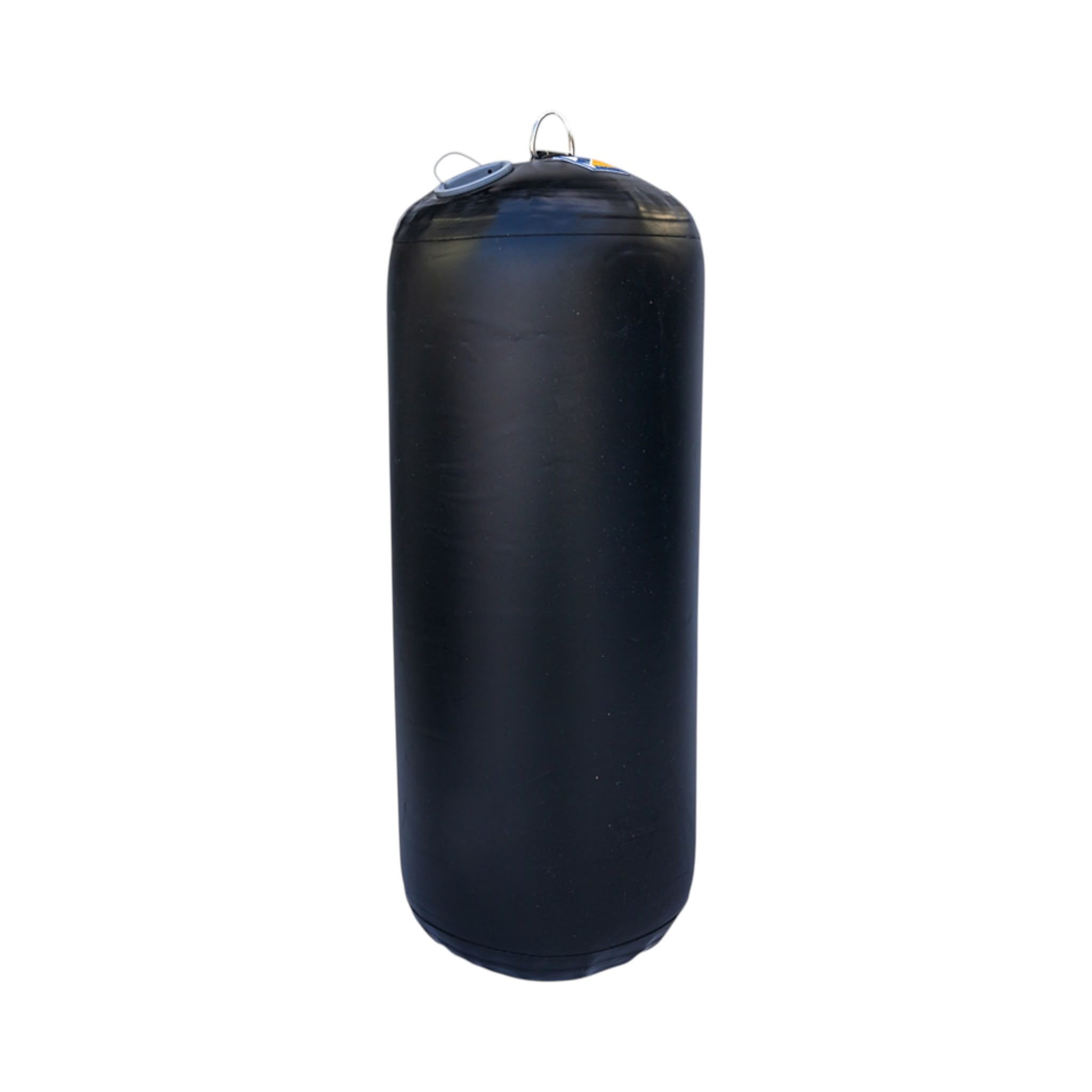

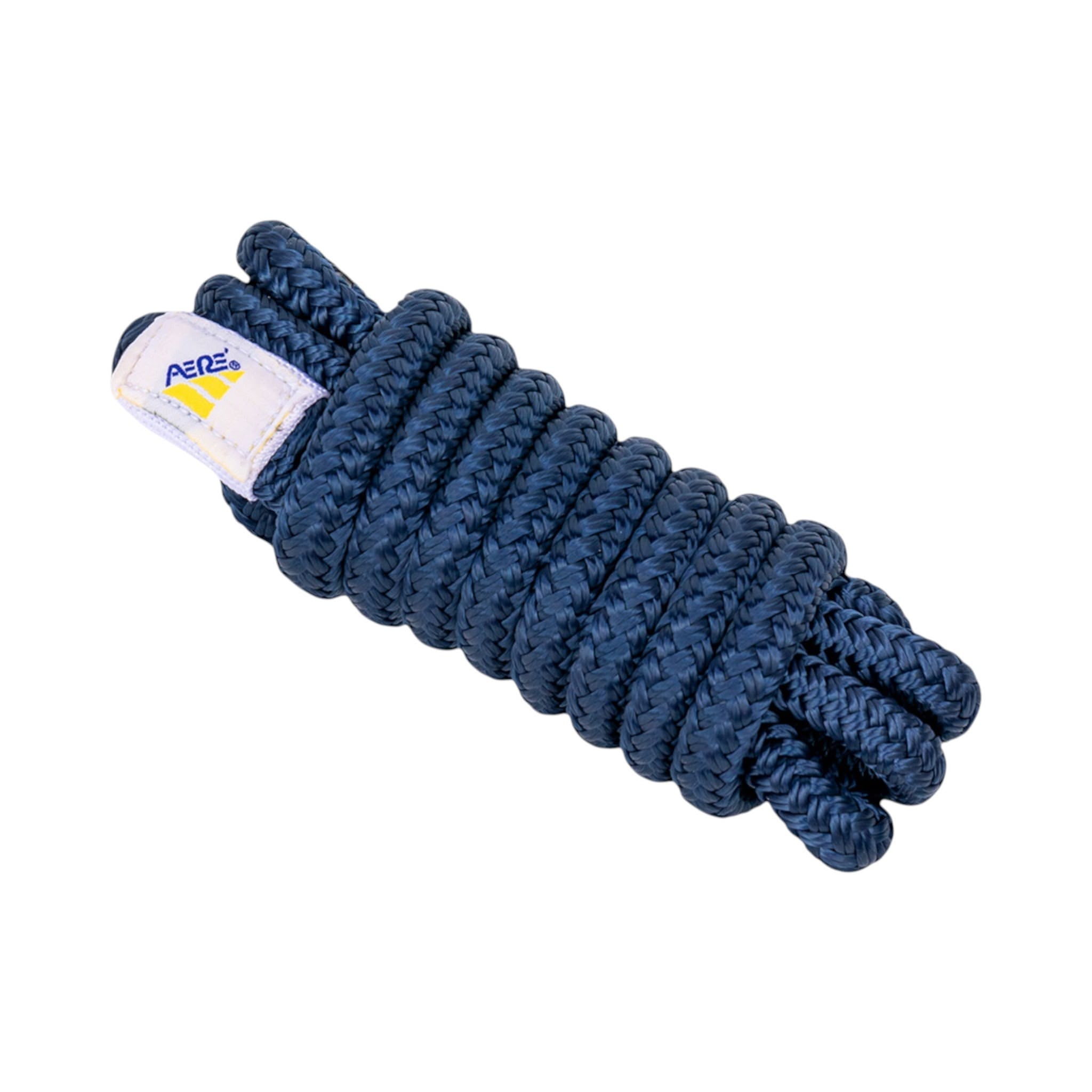
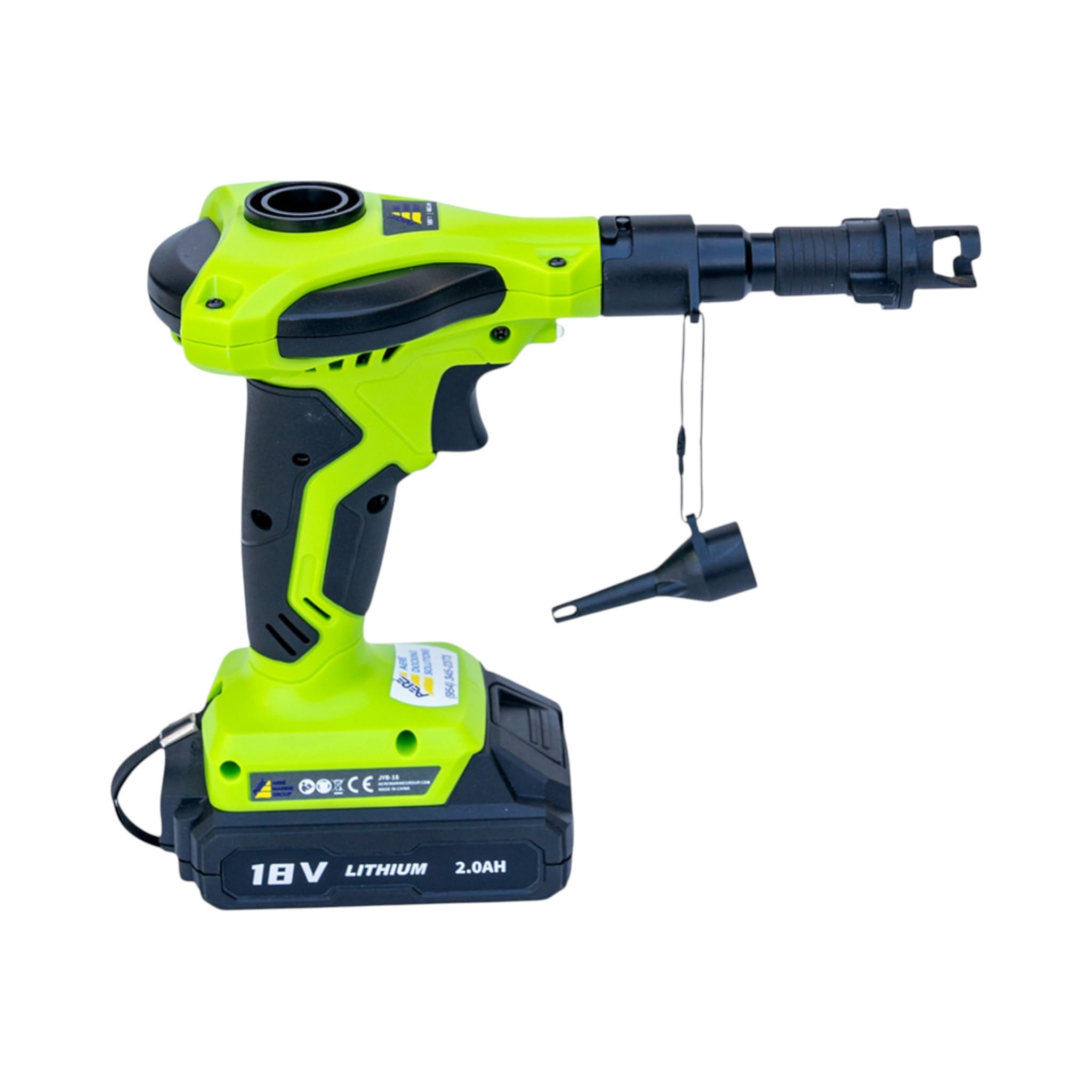
12" Inflatable Fender Protection System - 4 Point
Vessel Size: 45 – 65 ft
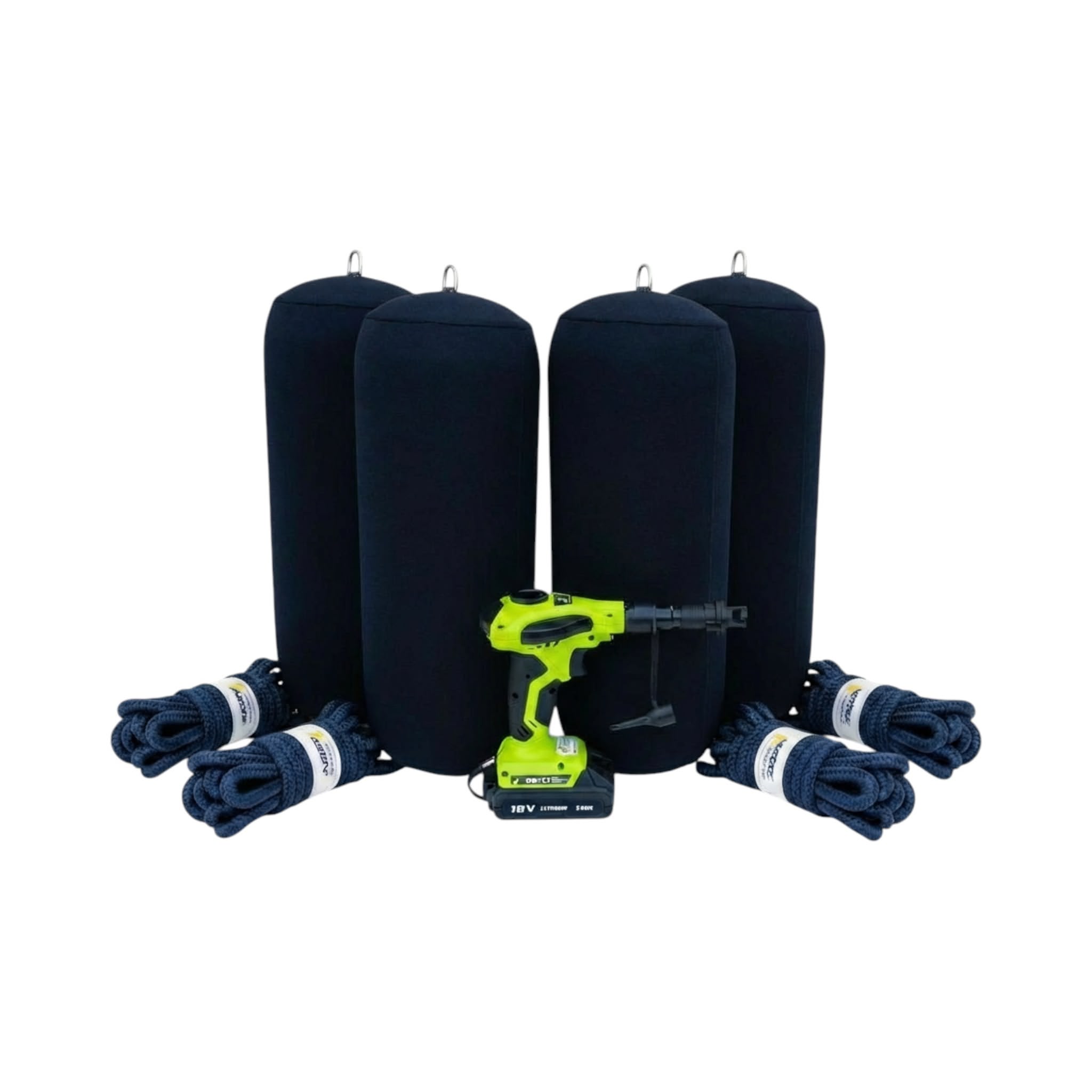
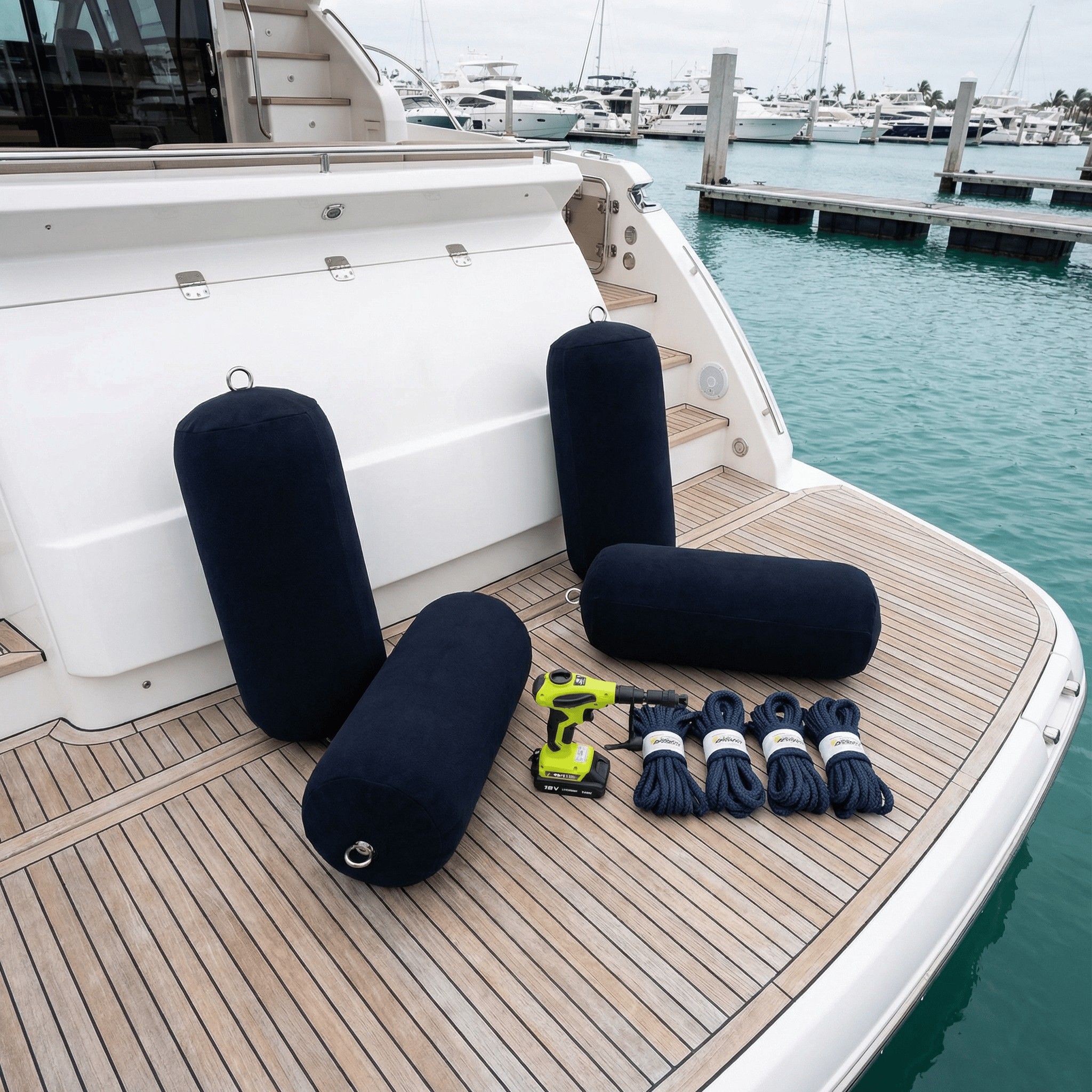
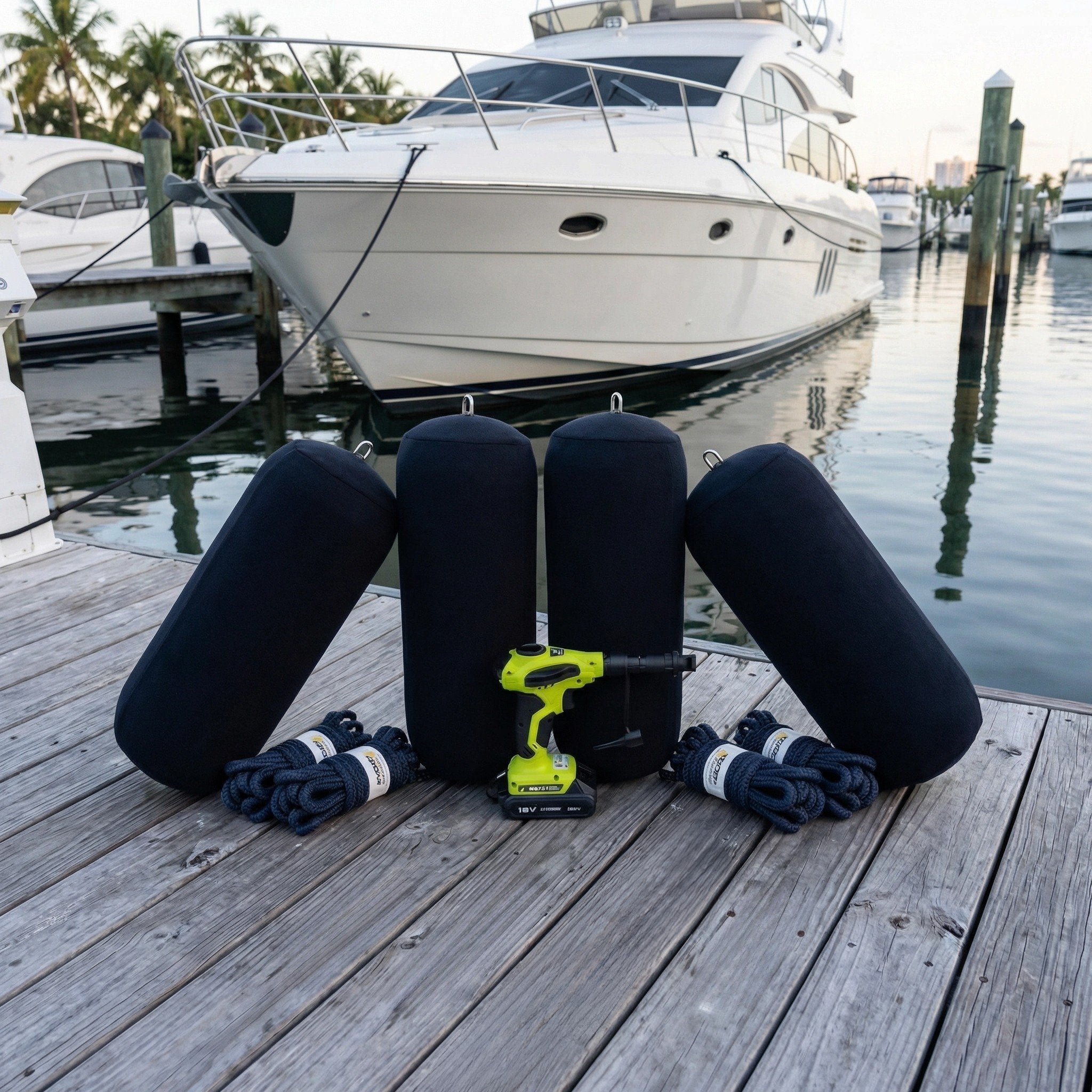
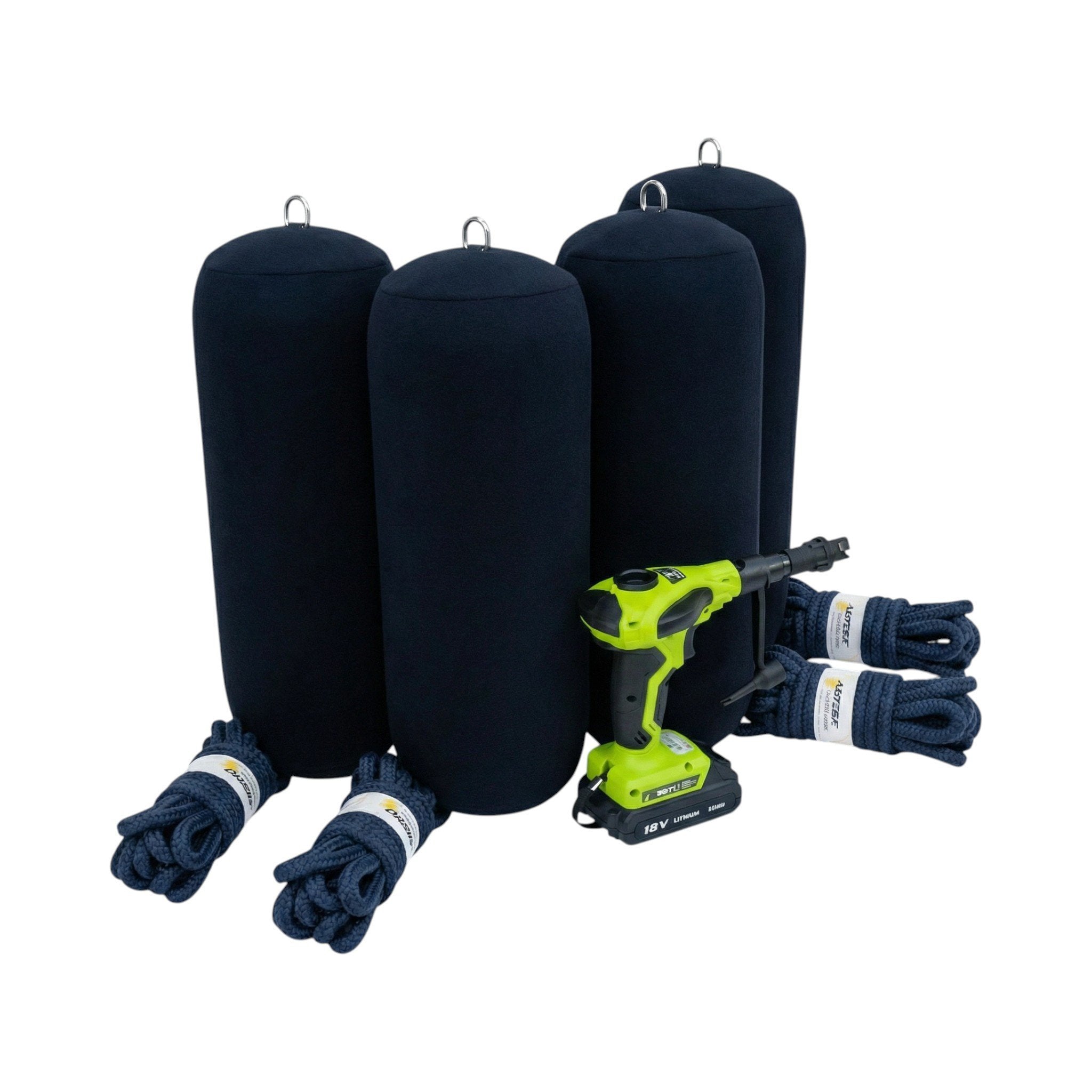
One bad dock approach or unexpected tidal shift can put thousands of dollars in gelcoat damage on your yacht. Traditional rubber fenders often fail when you need them most. They crush flat under heavy displacement loads or roll out of position when the wind changes. This complete 4-point inflatable system provides the adaptive protection your hull actually needs. We paired Aeré's heavy-duty inflatables with exact-fit neoprene covers and double-braid nylon lines, ready to deploy in minutes.
Which lengths fit your dock?
Why This System Works
What's Included
Professionally Vetted
Secure Checkout
Complimentary Shipping $250+
Frictionless Returns
12" Inflatable Fender Protection System - 4 Point
Frequently Asked Questions
Have a question not listed here? Contact our team.
How do inflatable fenders handle heavy wakes and rough docking conditions?
Inflatable fenders actually outperform solid rubber in rough conditions. Because they are filled with air, they act as dynamic shock absorbers. When a heavy wake pushes your boat into the dock, the fender self-adjusts to the pressure, giving way instead of crushing flat. This absorbs the displacement load before it reaches your hull.
How durable are inflatable fenders compared to traditional rubber?
These are not pool toys. They are built from the same heavy-duty, high-denier polyester fabric used in rigid inflatable boats (RIBs). The seams are welded and hand-glued with multiple layers of reinforcement. In real-world use, Aeré fenders have survived 36-hour gales grinding against barnacle-encrusted docks without failure. If they ever do suffer a puncture from a sharp object, they can be easily patched and repaired by the owner, unlike rubber fenders which must be thrown away if split.
Do I need anything else besides what is in this system?
No. This is a complete, ready-to-deploy package. It includes the fenders, the exact-fit covers, the correct diameter lines, and the 18V lithium battery inflator needed to fill them.
How quickly can I inflate and deploy the full system?
Using the included 18V inflator, each fender takes approximately one minute to reach full pressure. You can easily inflate and deploy all four fenders in under five minutes while approaching the marina.
How should I store the system when not in use?
The primary advantage of inflatables is storage. You can quickly deflate the fenders, then roll them flat. Even the longest fenders in this system will roll up small enough to fit in a standard lazarette, deck box, or under a seat, freeing up massive amounts of storage space on your boat.
How do I choose the right fender and line size for my yacht?
Check the sizing guides on this page for specific length recommendations based on your docking conditions. The 12" diameter is generally recommended for vessels between 45 and 65 feet. If you dock in extreme tidal areas, have an unusually high freeboard, or are simply not confident in which size to choose, contact our team and we will help you select the perfect configuration.
Why are neoprene covers included instead of standard knit covers?
UV exposure is the primary cause of fender degradation. Neoprene (the material used in wet suits) provides superior UV protection and does not absorb water like knit covers do. This means your covers will not become heavy, waterlogged, or stretch out of shape over time, ensuring a clean, professional look at the dock.
We’re here to make every step of your experience clear and effortless. Our team is always ready to assist with care and expertise.
-
Shipping & Returns
Orders are prepared for dispatch within 1–2 business days and sent through trusted carriers for safe, professional delivery. Once shipped, you’ll receive an email with tracking details to follow your journey from our dock to yours. If your purchase isn’t quite right, returns are accepted within 30 days of delivery, and we provide a pre-paid label to keep the process seamless and worry-free.
-
FAQ
The Frequently Asked Questions section brings together the information our clients ask for most, all in one place. It’s designed to provide clear, reliable answers that make every step of your experience straightforward. Visit the FAQ whenever you’d like quick clarity or confirmation from a trusted source.
-
Product Quality & Selection
Every product in our collection is selected for proven reliability and refined performance in marine conditions. We collaborate with specialized manufacturers whose craftsmanship and consistency meet the standards expected at sea. Discover more about who we are in The YPC Story.
-
Personalized Assistance
If you’d like guidance selecting the right solution or have a question at any stage, our team is here to assist. You can reach us by form, email, or live chat, and we respond with care and attention to every inquiry. For direct support, you can connect with us through the Contact Page.